Coastal Flooding & Mold in Homes and Businesses | Mold Fix
Ocean Flooding and Mold: Protecting Coastal Homes and Commercial Buildings
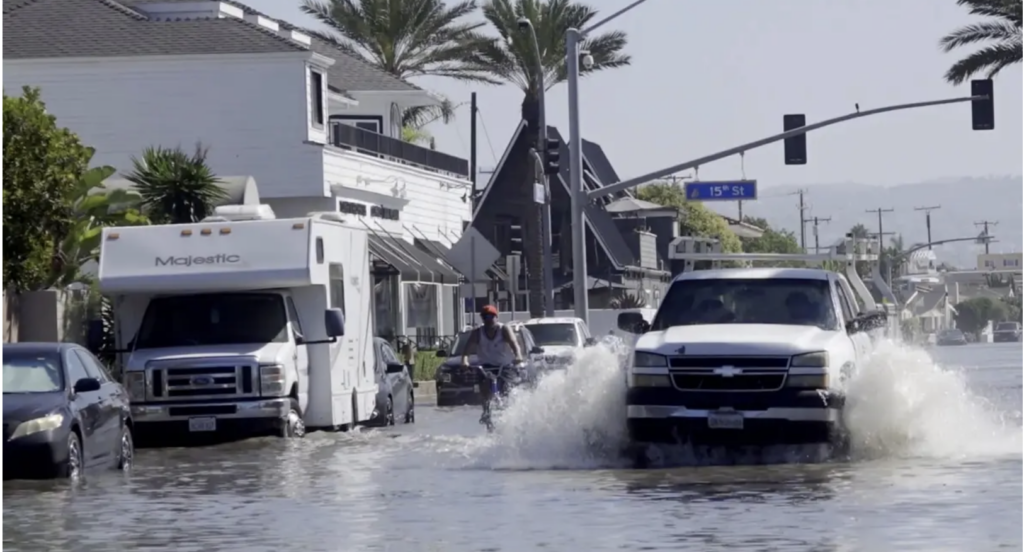
Newport Beach declared a local emergency Friday in response to coastal flooding that inundated streets on the Balboa Peninsula, with officials warning that high surf and elevated tides could cause additional flooding through the weekend
Coastal flooding can cause hidden water damage and create conditions for mold growth in homes and commercial buildings, even after visible water recedes.
Recent ocean flooding is a reminder that coastal water damage can continue long after streets and floors appear dry. When seawater enters a home, retail store, restaurant, office, or other commercial building, moisture trapped inside building materials can create conditions for mold growth.
Coastal Communities Affected by the Current Flooding
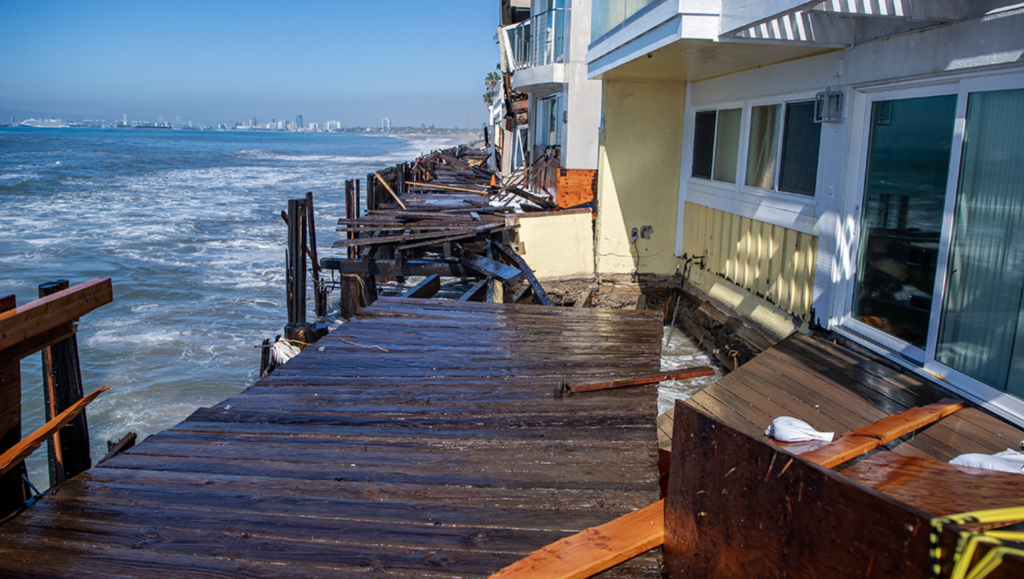
High surf and tides from Hurricane Rachel washed away part of the boardwalk along the Peninsula in Long Beach,CA
As of October 10, 2026, reports identify flooding in Newport Beach, Laguna Beach—including Main Beach and Aliso Beach—Huntington Beach’s Sunset Beach area, and Long Beach. Reported impacts vary, from flooded streets to damaged properties. Broader coastal advisories cover Ventura, Los Angeles, Orange, and San Diego counties; an advisory does not mean every city or building has flooded.
Aliso Beach is part of Laguna Beach, rather than a separate city.
Read the local coastal flooding reports.
How Coastal Flooding Can Lead to Mold
Mold spores are naturally present in the environment. When floodwater wets drywall, wood, carpet, insulation, or other susceptible materials, prolonged moisture can allow those spores to grow.
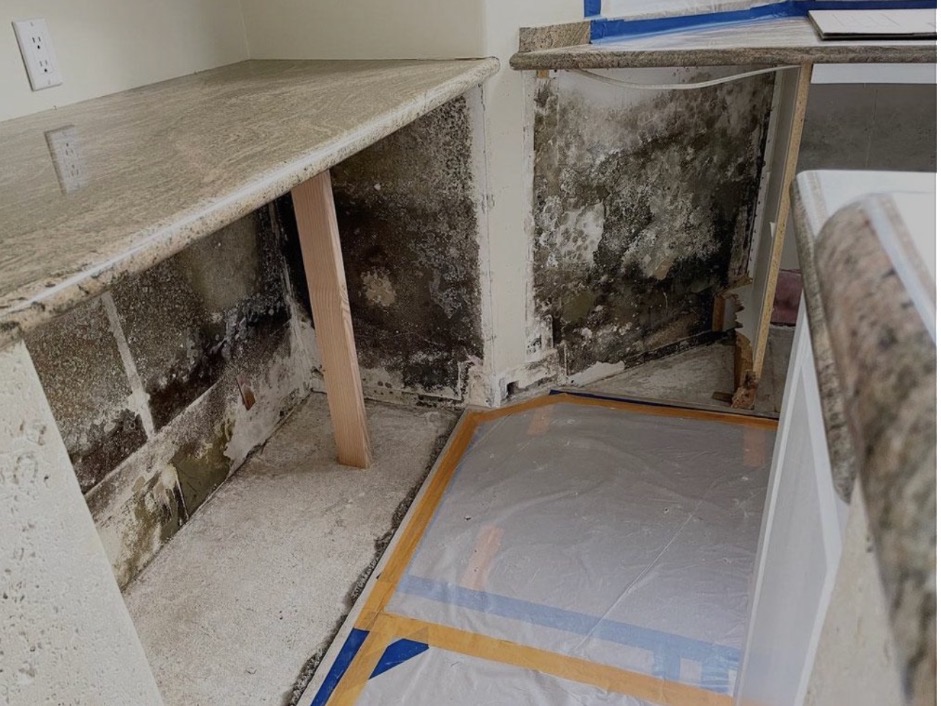
Water can enter through doors, garages, foundation openings, and damaged exterior walls. It can also seep beneath flooring and travel into adjoining rooms. Even a shallow flood can leave moisture behind baseboards, inside wall cavities, and beneath cabinets.
EPA recommends cleaning and drying flood-affected materials within 24–48 hours when safe and possible. If a flooded property and its contents cannot be dried within that period, EPA advises assuming mold growth is present. This is a response target, not a guarantee that mold will wait 48 hours to develop.
Does Saltwater Prevent Mold?
Ocean water should never be treated as a mold-prevention treatment. Saltwater flooding still leaves building materials wet, and moisture control remains essential.
Seawater also introduces salt residue and can damage metal components through corrosion. Once ocean water travels across streets and through drainage systems, it may carry sewage, chemicals, and other contaminants. Cleaning must address the water’s contamination as well as the moisture it leaves behind.
Removing standing water is only the beginning. A floor that feels dry on top may still have wet padding, underlayment, or subflooring beneath it.
Where Hidden Mold May Develop
After coastal flooding, areas that need careful assessment include:
- Carpet and carpet padding.
- Drywall and insulation near the flood line.
- Wall framing and enclosed wall cavities.
- Under laminate, vinyl, and wood flooring.
- Behind baseboards and beneath cabinets.
- Storage rooms, garages, and ground-floor commercial spaces.
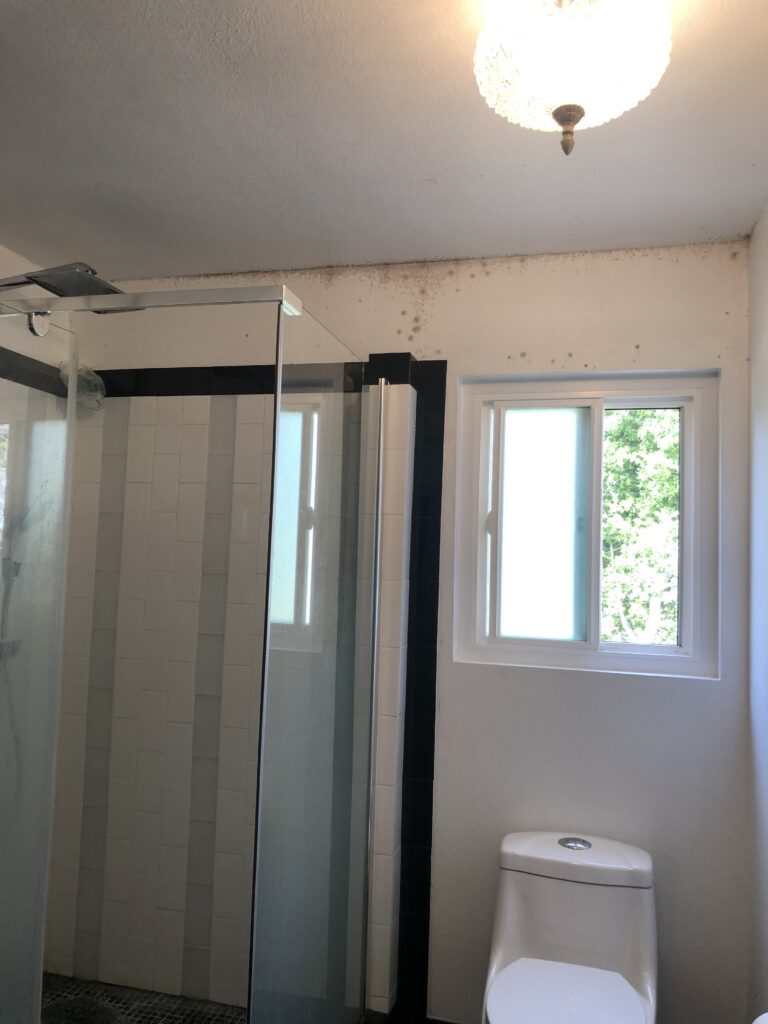
Musty odors, swollen baseboards, bubbling paint, lifting flooring, and visible discoloration can indicate water damage or possible mold. The absence of an odor or visible growth does not confirm that hidden materials are dry.
Mold Risks in Commercial Buildings
Commercial properties can have water trapped beneath large flooring areas, behind display fixtures, and inside storage spaces. Property owners and managers should assess affected building materials and contents before reopening flooded areas.
If water reached electrical equipment or HVAC components, qualified specialists should evaluate those systems. Avoid operating an HVAC system that may be contaminated until it has been assessed.
What to Do After Ocean Water Enters Your Property
Follow local emergency instructions and return only when the property is safe. Photograph affected areas and notify your insurance provider promptly.
Arrange water extraction, contamination assessment, and moisture mapping. Materials that cannot be safely cleaned and dried may require removal. Drying equipment should be selected and positioned for the conditions; do not direct ordinary fans across visible mold, which can spread contamination.
Before replacing drywall, installing flooring, or painting, verify that retained materials are adequately dry and that necessary cleaning and remediation are complete. Painting over stains or spraying a product alone does not resolve hidden moisture.
Mold Fix Inc.’s Approach to Coastal Flood Damage
Mold Fix Inc. helps homeowners and commercial property owners assess water damage and address mold concerns. Depending on the findings and agreed scope, work may include containment, controlled removal of affected materials, HEPA vacuuming, detailed cleaning, appropriate antimicrobial application, air filtration, and dehumidification.
Our approach follows applicable IICRC S500 water damage restoration and S520 mold remediation principles. Products and fogging, when appropriate, supplement physical cleaning and moisture control.
For properties in Newport Beach, Laguna Beach, Huntington Beach, and surrounding Orange County communities, early assessment can help identify hidden damage before repairs cover it.
Learn more about our mold remediation services for homes and commercial buildings.
Ocean water entered your home or commercial building? Contact Mold Fix Inc. through MoldFix.net to discuss an inspection and the appropriate next steps.
Sources: