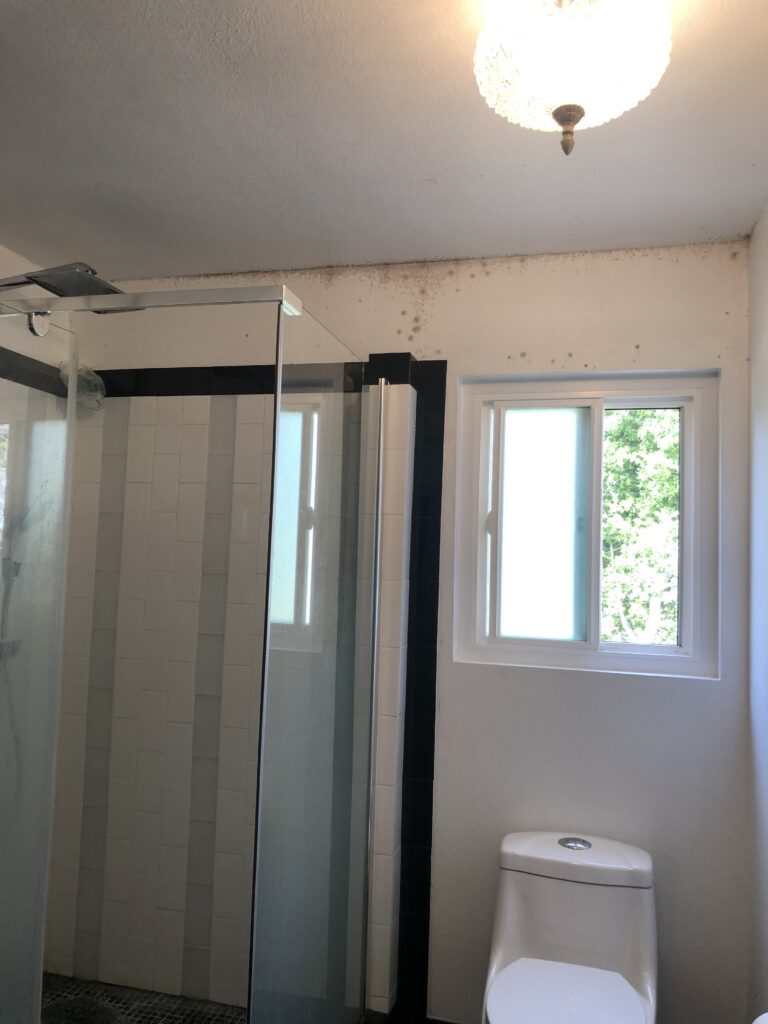
Musty Smell but No Visible Mold? Where Mold May Be Hiding
Musty smell but no visible mold? A persistent musty odor in your home can be frustrating, especially when you cannot see any obvious mold growth.
While a musty odor does not automatically mean mold is present, it can be a sign of excess moisture or hidden microbial growth that deserves further investigation. Mold and moisture problems can develop behind drywall, underneath flooring, inside cabinets, around plumbing fixtures, and in other areas that are difficult to see during a normal visual inspection.
At Mold Fix Inc., we frequently inspect homes throughout Orange County and the Inland Empire where homeowners notice an unusual or musty odor but cannot identify the source. In many cases, the key is finding the moisture source first—such as a slow plumbing leak, previous water damage, condensation, or moisture trapped within building materials.
Why Does a Home Smell Musty When No Mold Is Visible?
Musty odors are often associated with damp or poorly ventilated conditions. Moisture can become trapped inside building materials without producing obvious surface damage. A small leak behind a vanity, moisture underneath flooring, or damp drywall inside a wall cavity may remain unnoticed for an extended period.
The odor itself cannot confirm that mold is present. A proper evaluation may involve inspecting likely moisture sources and using moisture-detection equipment to determine whether hidden damp materials are contributing to the problem.
7 Common Places Hidden Mold and Moisture May Be Found
When a musty odor is present but no mold is visible, the source may be concealed behind or underneath building materials. Some of the most common areas we investigate include:
1. Behind Drywall
Slow plumbing leaks, roof leaks, or moisture from an adjoining bathroom can affect the back side of drywall and insulation before any obvious damage appears on the finished surface.
2. Under Flooring
Moisture can become trapped beneath laminate, vinyl, engineered wood, carpet, and other flooring materials. Concrete slabs can also contribute to moisture-related problems when flooring systems are not properly installed for existing conditions.
3. Behind Kitchen Cabinets and Bathroom Vanities
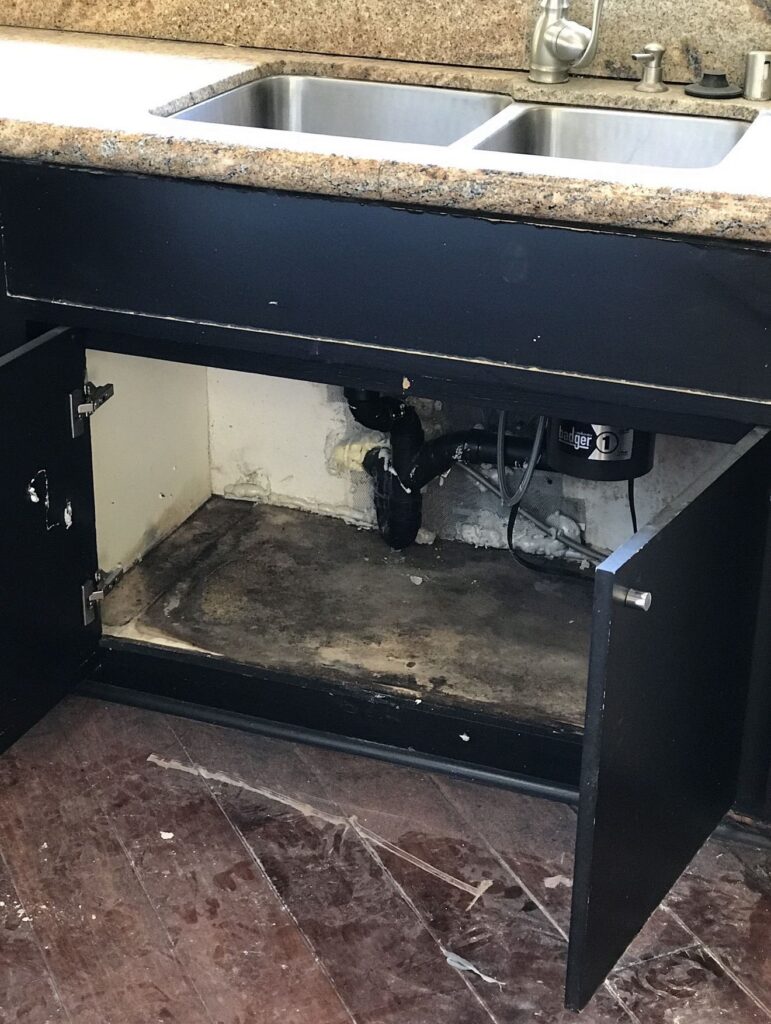
Hidden moisture and mold damage discovered underneath a kitchen sink cabinet.
Small supply-line, drain, dishwasher, sink, or plumbing leaks can remain hidden behind cabinetry. Because these areas are rarely inspected, moisture damage may go unnoticed until an odor or visible deterioration develops.
4. Around Showers and Bathtubs
Failed caulking, damaged grout, plumbing leaks, or waterproofing problems can allow moisture to reach areas behind tile, drywall, and surrounding building materials.
5. Inside Plumbing Wall Cavities
Pipes concealed inside walls can develop slow leaks that are difficult to detect. By the time staining or other visible signs appear, surrounding materials may have already been exposed to moisture.
6. Around HVAC Systems and Air-Conditioning Components
Condensation, drain-line problems, or moisture around HVAC equipment can create damp conditions. The equipment and surrounding areas should be evaluated when investigating unexplained moisture or odors.
7. Areas With Previous Water Damage
A past leak may appear resolved while moisture remains in concealed materials or previously affected materials were never properly addressed. If a musty odor develops near an area with a history of water damage, that history is important when determining where to investigate.
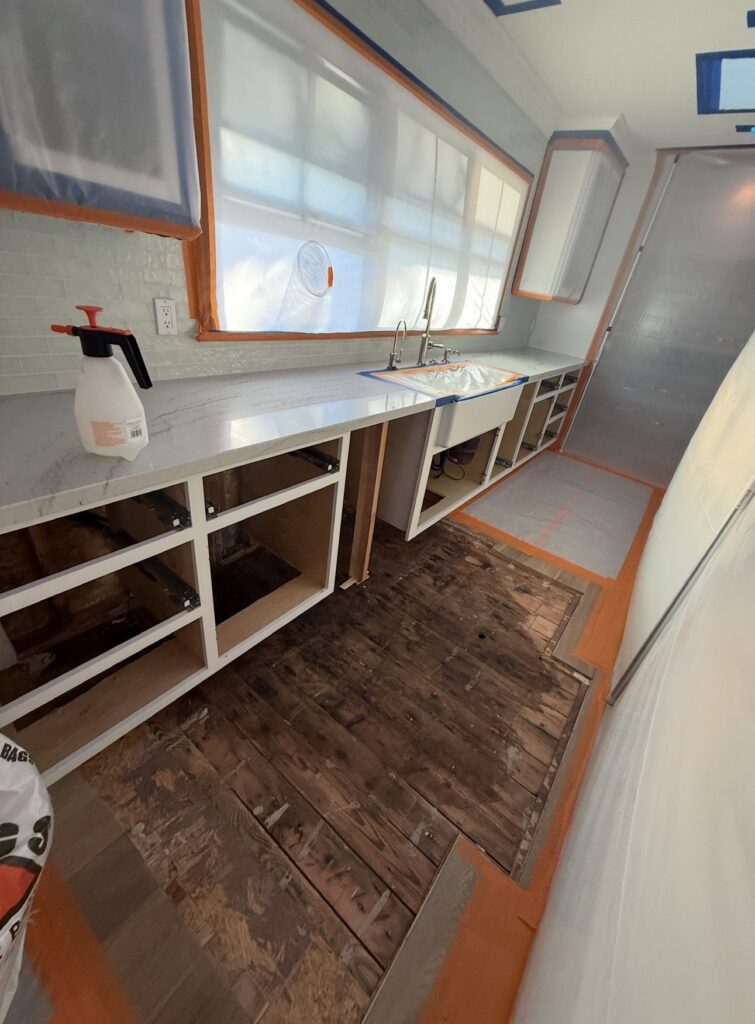
Kitchen mold remediation in progress after hidden moisture damage was discovered behind cabinetry and building materials.
How Do Professionals Find Hidden Mold?
When mold is suspected but not visible, the first step is usually identifying conditions that could support mold growth. A professional inspection may include checking for signs of previous water damage, plumbing leaks, elevated moisture, condensation, or other potential moisture sources.
Moisture Detection
Moisture meters and other inspection equipment can help identify areas where building materials may contain elevated moisture, even when the surface appears dry.
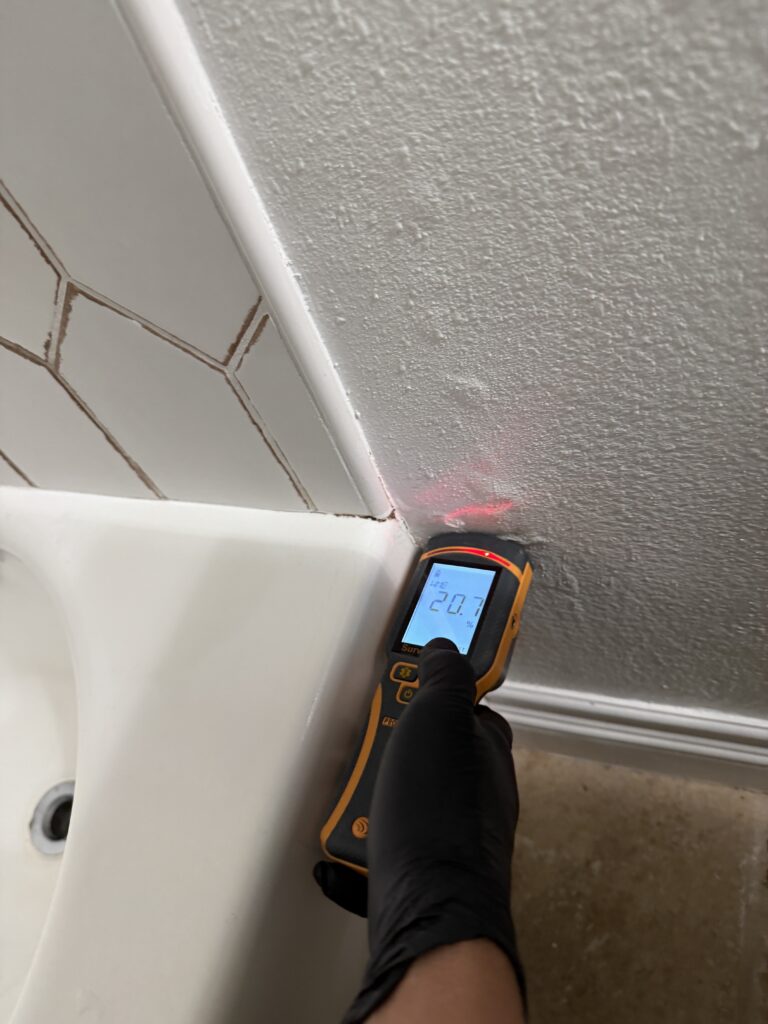
A moisture meter is used to check building materials for elevated moisture that may indicate a hidden moisture source.
Visual Inspection
Experienced inspectors look for subtle signs such as staining, swelling, deteriorated materials, damaged baseboards, peeling paint, and other indications of current or previous moisture intrusion.
Thermal Imaging
Thermal imaging can help identify temperature differences in walls, ceilings, and other building materials that may indicate areas requiring further moisture investigation. These findings can then be checked with a moisture meter or other inspection methods.

Thermal imaging can help identify temperature patterns that may indicate areas requiring further moisture investigation.
Exploratory Openings
When conditions warrant further investigation, a small exploratory opening may be recommended to inspect behind drywall, cabinets, baseboards, or other concealed areas. This can help determine whether hidden damage is present before a larger remediation scope is established.
Mold Testing
When testing is appropriate, air or surface samples can provide additional information about mold conditions within the property. For remediation projects, post-remediation clearance testing is best performed by an independent third-party testing professional to maintain neutrality.
Should You Ignore a Musty Smell If You Can’t See Mold?
If you notice a musty smell but no visible mold, it should not necessarily be ignored. The odor may be associated with excess moisture, previous water damage, damp building materials, or microbial growth hidden in an area that cannot be easily seen.
The first priority should be identifying and correcting any source of moisture. Simply using air fresheners, painting over stained materials, or cleaning visible surfaces may temporarily mask an odor without addressing the underlying cause.
If the smell persists, consider having the affected area professionally inspected—particularly if the property has experienced a plumbing leak, roof leak, appliance failure, bathroom leak, flooding, or other water intrusion.
What to Do If You Suspect Hidden Mold
For additional information about moisture control and mold prevention, review the EPA’s guidance on mold and moisture in homes.
If you notice a persistent musty smell:
- Check for obvious leaks or signs of moisture.
- Look around sinks, toilets, showers, tubs, appliances, cabinets, baseboards, ceilings, and flooring.
- Avoid disturbing materials if significant mold growth is discovered.
- Correct active water or moisture sources as soon as possible.
- Consider a professional mold inspection when the source cannot be identified, and mold testing when appropriate.
Hidden Mold Inspection and Remediation in Southern California
Mold Fix Inc. provides professional mold inspection, remediation, and water-damage services throughout Orange County and the Inland Empire, including Corona, Eastvale, Riverside, Yorba Linda, Irvine, Mission Viejo, Lake Forest, Ladera Ranch, Aliso Viejo, and surrounding communities.
If you have a musty smell but no visible mold, our team can help investigate potential moisture sources and determine whether further inspection, testing, or remediation is appropriate.
Contact Mold Fix Inc. today to schedule an inspection or request an estimate.
Frequently Asked Questions About Musty Odors and Hidden Mold
Can you smell mold even if you can’t see it?
A musty or earthy odor can sometimes occur when moisture or mold growth is present in a concealed area. However, odor alone cannot confirm mold. The source should be investigated, particularly when there has been a leak, water damage, or ongoing moisture problem.
Where can mold hide inside a home?
Potential hidden areas include behind drywall, underneath flooring, behind cabinets and vanities, around showers and bathtubs, inside wall cavities, and near areas affected by previous water damage.
Does a musty smell always mean there is mold?
No. A musty odor can also be associated with damp materials, elevated humidity, poor ventilation, or other moisture-related conditions. An inspection can help identify the source rather than assuming mold is present.
Should I test for mold if I smell something musty?
Testing may be useful in some situations, particularly when the source cannot be identified or there are concerns about indoor conditions. However, finding and correcting the moisture source is also important because testing alone does not solve a moisture or mold problem.